Retirement marks a major life change, and your financial planning needs to shift with it. This guide is written specifically for retired seniors and readers aged 55 and older who want in-depth book suggestions and clear overviews to learn about investing for this stage of life.
Having reliable information is crucial for successful retirement planning. As you move from primarily saving to spending, your approach to investment, withdrawals, and tax planning should change. The books highlighted here are focused resources that explain those shifts in practical, reader-friendly terms.
Retirement brings specific challenges: generating steady income, preserving capital, managing taxes and benefits like Social Security, and protecting your savings from market downturns. The titles we cover offer practical strategies for asset allocation, tax-aware withdrawals, and managing risk so your money supports the life you want.
Whether you are newly retired or planning your next decade, these books are chosen to help you set realistic goals and build a confident plan. What you’ll get from this guide:
- Curated, retiree-focused book overviews that highlight actionable takeaways;
- Simple, practical advice on income strategies, tax efficiency, and preserving capital;
- Reading recommendations by need and experience level so you can pick the right next book.
Read on for a curated roundup and in-depth reviews of the best investing books for retirees.
Best Investing Books for Retirees: Detailed Roundup
Below is a curated selection of books chosen for retired seniors and readers 55+ who want practical, retiree-focused guidance on investing, income, taxes, and preserving savings.
Highlights of Must-Read Titles
The Simple Path to Wealth by JL Collins — A clear, no-nonsense case for low-cost index funds and simple investing rules.
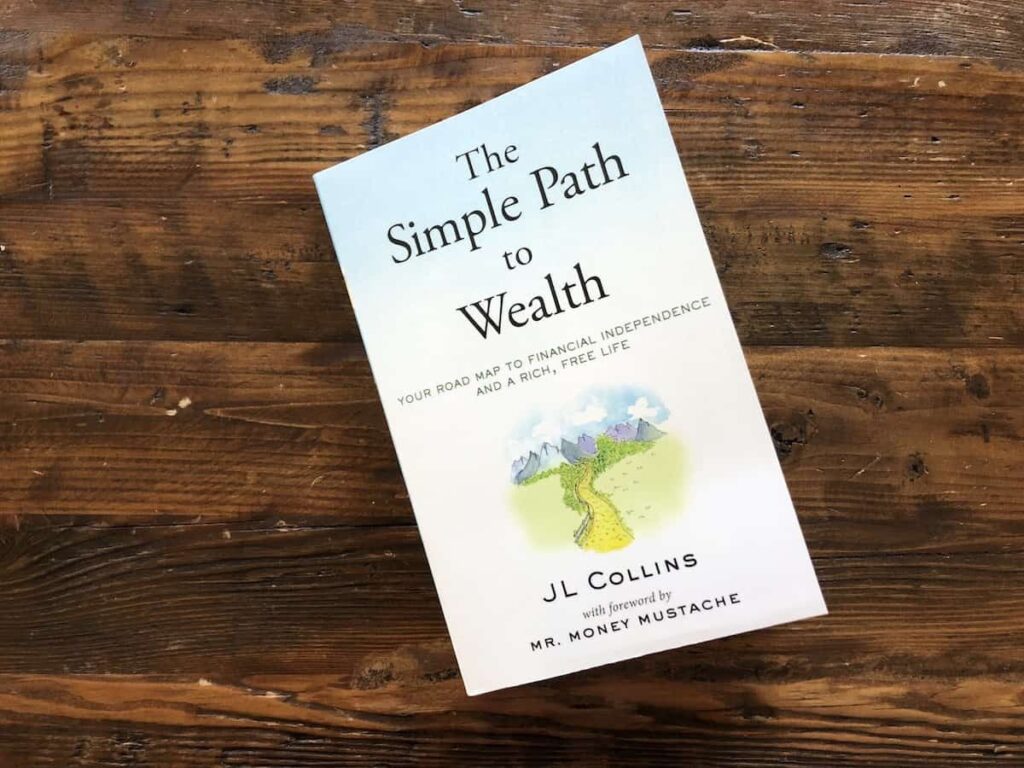
Two takeaways for retirees: 1) Emphasizes broad, low-fee index funds as a foundation for long-term portfolios; 2) Explains how to reduce costs and cognitive overhead when managing investments.
Best for: Readers who want a straightforward, hands-off investing approach and a primer on funds and long-term investment behavior.
The Bogleheads’ Guide to Retirement Planning — A practical, crowd-sourced guide covering asset allocation, tax-aware withdrawals, and retirement logistics.
Two takeaways for retirees: 1) Offers concrete checklist-style guidance on withdrawal sequencing and tax-efficient distribution; 2) Walks through Social Security timing and healthcare cost considerations.
Best for: Retirees seeking thorough, checklist-style guidance on planning retirement decisions and long-term financial planning.
Retire Inspired by Chris Hogan — A motivational, step-by-step approach to organizing retirement goals and taking action.
Two takeaways for retirees: 1) Encourages creating a retirement blueprint with clear income and lifestyle goals; 2) Includes self-assessment tools to prioritize financial and life choices.
Best for: Readers who want a goal-driven, confidence-building guide to shape their retirement plan and money decisions.
Books That Address Retirement Challenges
The New Retirementality
Two takeaways for retirees: 1) Helps reframe the role of work and income in your life to create a fulfilling retirement; 2) Offers practical questions to align spending and savings with personal priorities.
Best for: Readers who want to pair financial planning with life planning and emotional readiness.
Rich Dad, Poor Dad by Robert Kiyosaki — Overview: Uses stories and contrasts to teach the difference between assets and liabilities and to encourage thinking about income-producing assets.
Two takeaways for retirees: 1) Emphasizes owning assets that produce income (rental real estate, small-business interests, dividend-producing securities) rather than only relying on savings; 2) Encourages a mindset shift from saving for security to structuring diversified income streams.
Who should read it: Retirees curious about alternative income ideas and who want broad thinking about building cash flow beyond pensions and Social Security.
Next steps: List any small income-producing assets you already own and note one realistic, low-effort way to increase monthly income (for example, reviewing dividend-paying funds or consulting a financial advisor about part-time consulting).
The Psychology of Money by Morgan Housel — Overview: Explores how emotions and behavior drive financial decisions more than raw numbers.
Two takeaways for retirees: 1) Recognize common behavioral traps—fear during a market drop and overconfidence during rallies—and prepare a simple rule (e.g., pause before changing your withdrawal rate after a big market move); 2) Focus on “enough”—set realistic money goals to reduce risk-taking driven by fear or greed.
Who should read it: Readers who want to understand the emotional side of investing and make steadier decisions about portfolio changes and withdrawals.
Next steps: Create a short checklist to follow before making major financial decisions (sleep on it, review your plan, consult an advisor or trusted friend).
The Five Years Before You Retire by Emily Guy Birken — Overview: Practical guidance for the critical pre-retirement window, with checklists for maximizing retirement readiness.
Two takeaways for retirees (or those within a few years of retirement): 1) Highlights actions to increase retirement savings and reduce pre-retirement debt; 2) Walks through decisions on health coverage, employer benefits, and income projections.
Who should read it: People planning retirement timing, or retirees who recently transitioned and need a short checklist to tighten the plan.
Next steps: Use the book’s checklist to confirm benefit enrollment deadlines and create a six-month action list for tax and savings moves.
How to Make Your Money Last by Jane Bryant Quinn — Overview: A practical, plain-English guide to turning retirement savings into dependable income while addressing risk and taxes.
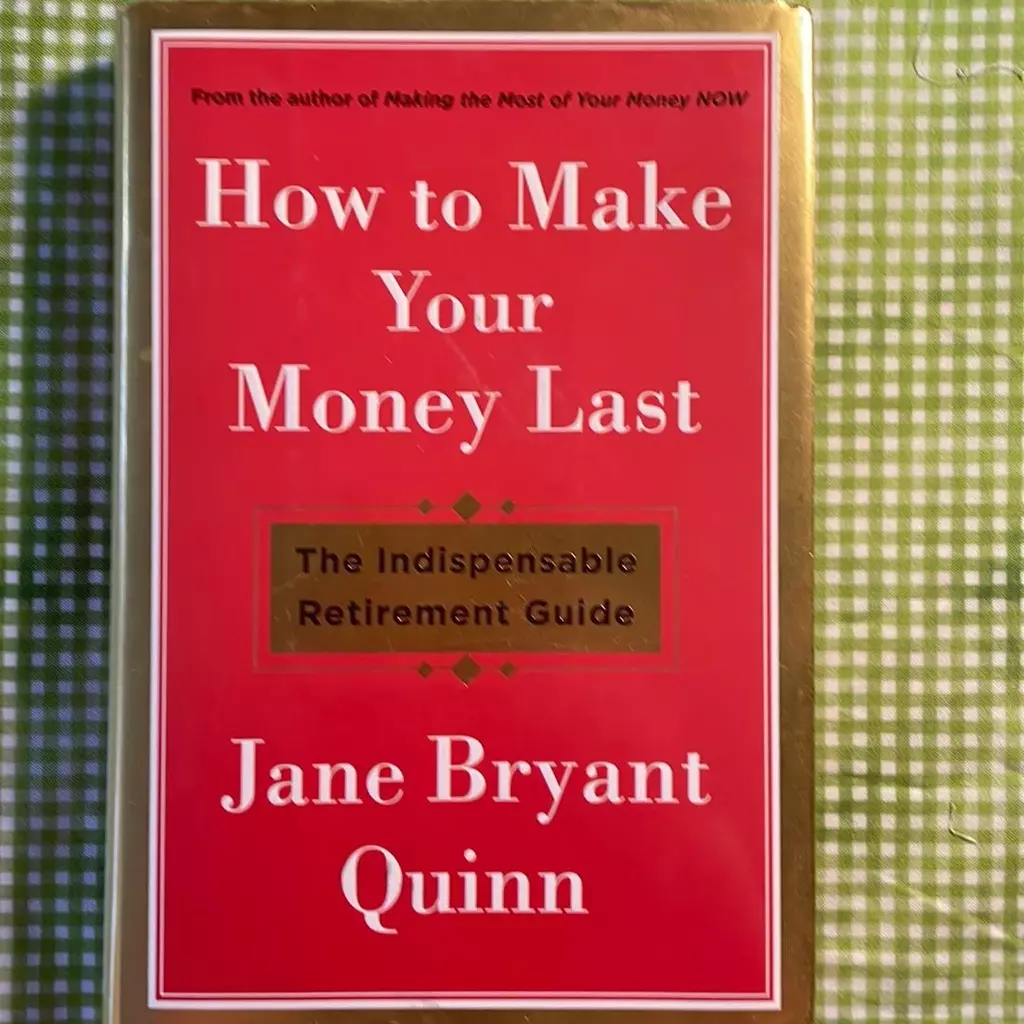
Two takeaways for retirees: 1) Clear discussion of withdrawal strategies and trade-offs among products (annuities, systematic withdrawals, partial annuitization); 2) Practical attention to taxes and how different choices affect after-tax income.
Who should read it: Retirees focused on dependable income and minimizing the risk of outliving savings while keeping tax efficiency in mind.
Next steps: Compare your current withdrawal approach to one example strategy in the book and note any tax-optimization opportunities to discuss with a tax professional or advisor.
Wade Pfau’s Retirement Planning Guidebook — Overview: A technical, evidence-based look at retirement income strategies, including sequence-of-returns risk and portfolio stress-testing.
Two takeaways for retirees: 1) Teaches methods to estimate sustainable withdrawal rates based on individual goals and market scenarios; 2) Suggests ways to model “what-if” scenarios to see how your plan holds up under different market conditions.
Who should read it: Readers comfortable with more detailed financial planning or those working with a financial advisor to calibrate a personalized plan.
Next steps: Run a simple “what-if” check—compare your current withdrawal rate to the book’s suggested safe ranges and consider modest adjustments if needed.
The Bogleheads’ Guide to Retirement Planning — Overview: Practical, community-driven advice on investing, taxes, Social Security, and healthcare costs.
Two takeaways for retirees: 1) Reinforces low-cost investing and clear asset-allocation principles; 2) Offers concrete advice on Social Security claiming strategies and tax-aware withdrawal sequencing.
Who should read it: Retirees who want a comprehensive, do-it-yourself approach with practical checklists and examples.
The Intelligent Investor by Benjamin Graham — Overview: Timeless investing principles focused on value and discipline rather than speculation.
Two takeaways for retirees: 1) Value investing principles encourage a margin of safety and disciplined decision-making during volatile markets; 2) Emphasizes long-term thinking that can protect retirement portfolios from reactionary mistakes.
Who should read it: Readers interested in deepening their investment understanding to support long-term planning and reduced emotional trading.
Medicare and Get What’s Yours for Medicare (Philip Moeller et al.) — Overview: Practical direction on enrolling in Medicare, comparing plans, and maximizing benefits.
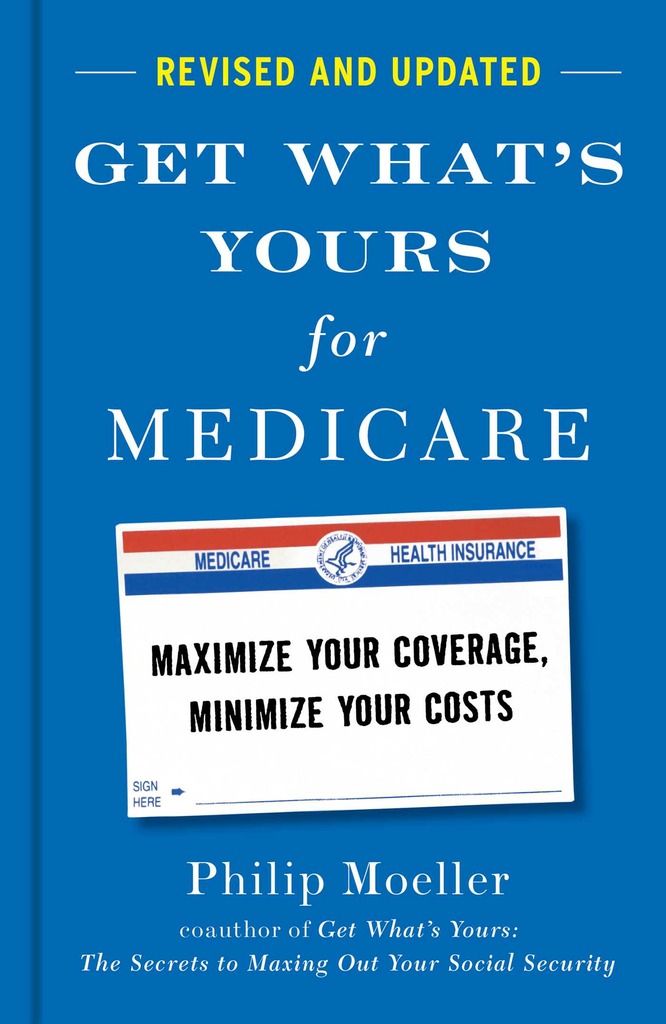
Two takeaways for retirees: 1) Avoid costly enrollment mistakes by following specific timelines and rules; 2) Compare supplemental coverage and prescription drug plans to manage out-of-pocket costs.
Who should read it: Anyone nearing Medicare eligibility or wanting to optimize healthcare cost decisions.
Short comparisons to help you choose: if you want simple, low-maintenance investing, start with JL Collins and the Bogleheads’ guide; for income mechanics and taxes, read Jane Bryant Quinn and Wade Pfau; for mindset and behavior, Morgan Housel is a quick, practical read; for pre-retirement action steps, Emily Guy Birken is focused and checklist-driven.
Actionable next steps after reading any of these books:
- Make a one-page retirement snapshot: current savings, expected income (Social Security, pensions), and monthly spending needs.
- Check your withdrawal rate against recommended ranges in a chosen book and adjust conservatively if markets are volatile.
- Review Social Security claiming options and Medicare enrollment deadlines using the book checklists.
Choosing where to start: pick the first book based on your current priority—mindset and basics (The Psychology of Money, The Simple Path to Wealth), income and withdrawals (How to Make Your Money Last, Wade Pfau), or benefits and healthcare (Get What’s Yours for Medicare, The Bogleheads’ guide). A suggested reading order: mindset & basics → income/withdrawals → tax/Social Security specifics → technical strategies.
Collectively, these retirement planning books cover the core topics retirees need: income strategies, tax-aware withdrawal planning, Social Security and Medicare decisions, portfolio construction, and the mindset to sustain a secure retirement. Each book offers different emphases — some prioritize low-cost funds and passive investing, others focus on income engineering, healthcare navigation, or psychological readiness.
The right books give you the information and confidence to make better retirement decisions. Use these reviews as a roadmap to assemble a plan that matches your goals, timeline, and comfort with risk. If you work with an advisor, bring a one-page snapshot and the book notes to focus your conversation.
Leave a Reply