Understanding the factors that influence gold prices is key for investors and buyers. For years, gold has been a sought-after investment. It’s seen as safe and has the potential to be profitable.
Figuring out gold prices can be tough, even for those new to gold jewelry. Many factors play a role, making it important to understand the basics.
By looking into the determinants of gold prices, investors can make better choices. This part of the section will dive into what affects gold prices.
Key Takeaways
- Understanding gold prices is vital for investors.
- Multiple factors influence gold prices.
- Knowledge of these factors can lead to better investment decisions.
- Gold remains a popular investment due to its safety and profitability.
- First-time buyers must understand the complexity of gold pricing.
The Enduring Value of Gold in Global Markets
Gold has fascinated people for thousands of years. It’s not just about its beauty or rarity. It’s also a safe place to keep wealth and protect against economic ups and downs.
Gold’s Historical Significance as a Store of Value
Gold has been a currency, jewelry, and wealth for ages. It’s valued worldwide, making it a common currency. The gold standard was key in the global economy, with many currencies tied to gold’s value.
Gold’s Role in Modern Investment Portfolios
Today, gold is still important in investments. It’s a safe-haven asset that protects against inflation, currency changes, and market swings. When the economy is shaky, gold is a key part of a balanced investment plan.
| Investment Vehicle | Purpose | Benefits |
|---|---|---|
| Gold Bullion | Direct investment in gold | Physical ownership, tangible asset |
| Gold ETFs | Indirect investment in gold | Liquidity, diversification, ease of trading |
| Gold Mining Stocks | Investment in gold production | Potential for higher returns, exposure to gold market |
Knowing gold’s past and its current role in investments helps investors. They can make smart choices about adding gold to their plans.
Supply Dynamics: Mining Production and Reserves
Gold mining output is key to the global gold market’s supply. The balance between gold supply and demand affects gold prices. Knowing how gold supply works, mainly from mining, is vital for investors and analysts.
Global Gold Mining Output Trends
Gold mining output has changed over time. Factors like new discoveries, mine depletion, and tech changes have played a role. Recently, global gold production has stabilized, with some mines increasing output and others decreasing. Market analysts watch these trends to forecast future supplies.
Major Gold Producing Countries and Their Impact
Countries like Australia, South Africa, and the United States lead in gold production. Their output greatly affects global gold supply. For example, if these countries produce more, global gold supply might rise, impacting prices.
Mining Costs and Their Effect on Pricing
Mining costs are essential in gold production. Higher costs can reduce production if they’re more than gold’s market price. On the other hand, lower costs can make production more profitable, possibly increasing supply. The relationship between mining costs and gold prices is complex and watched closely by the industry.
The way gold supply changes, due to mining and reserves, is key to gold prices. Understanding these changes is essential for those in the market.
What Drives Gold Prices: Key Demand Factors
Many things affect gold demand, which in turn changes its price worldwide. Knowing these factors is key for investors and analysts to make smart choices.
Investment Demand: Bullion, Coins, and ETFs
Investment demand is a big player in gold prices. People buy gold in different ways, like bullion, coins, and ETFs.
Physical Gold Investment Trends
There’s always a strong interest in gold bullion and coins, mainly when the economy is shaky. Investors look to gold as a safe place for their money.
Gold ETFs and Paper Gold Markets
Gold ETFs are popular because they make investing in gold easy without needing to store it. The paper gold market, including futures and options, also affects gold prices.
Jewelry Consumption Patterns Worldwide
Jewelry made from gold is a big driver of demand. Different places have different tastes for gold jewelry, based on culture and economy.
Industrial Applications and Their Market Impact
Gold is used in many industrial fields, like electronics, because it’s good at conducting and doesn’t rust. This demand helps set gold’s price.
The mix of investment demand, jewelry love, and industrial use shapes gold’s price. Grasping these factors is vital for guessing future gold prices.
Economic Indicators That Influence Gold Valuations
It’s key for investors to know what drives gold prices. Economic indicators play a big role. Knowing these can help investors understand the gold market better.
GDP Growth and Its Correlation with Gold Prices
GDP growth affects gold prices. A high GDP growth rate means higher interest rates. This makes bonds more appealing than gold.
But, slow GDP growth can push investors towards gold. This is because gold is seen as a safe place to put money. The link between GDP and gold prices is complex. It depends on inflation and currency changes too.
Employment Data and Market Reactions
Employment data is important for gold prices. Good employment numbers can make investors feel more confident. This can lead to higher stock prices and lower gold prices.
But, bad employment data can make people want gold more. Gold is seen as a safe choice. How gold reacts to employment data depends on the economy and market mood.
Consumer Confidence Metrics and Spending Patterns
Consumer confidence shows how much people are spending. This can affect gold prices. When people are confident, they spend more. This can make gold less appealing.
But, when confidence is low, people spend less. This can make them want gold more. Knowing about consumer confidence can help predict gold price changes.
Inflation, Deflation, and Currency Relationships
It’s key for investors to know how gold prices change with inflation, deflation, and currency values. Gold is seen as a shield against inflation. Its price is also affected by major currencies, like the US dollar.
Gold as an Inflation Hedge: Historical Performance
Gold is a trusted shield against inflation. Its value goes up when inflation does. In the 1970s, when inflation was high, gold prices soared. This has made gold a reliable inflation hedge.
The US Dollar-Gold Price Relationship
The value of the US dollar and gold prices move in opposite ways. When the dollar weakens, gold gets cheaper for international buyers. This boosts demand and raises gold’s price. On the other hand, a strong dollar can lower gold prices. This makes the US dollar-gold price relationship very important for investors.
Other Major Currencies’ Impact on Gold Valuation
While the US dollar is key, other currencies like the euro, yen, and pound also matter. Changes in these currencies against the dollar can change gold’s appeal. For example, a weak euro can make gold pricier for Europeans, possibly reducing demand. Knowing these currency impacts on gold is vital for a good investment plan.
Central Bank Policies and Gold Market Interventions
Central banks are key players in the gold market. Their actions can greatly affect gold prices. It’s important for investors to grasp these dynamics.
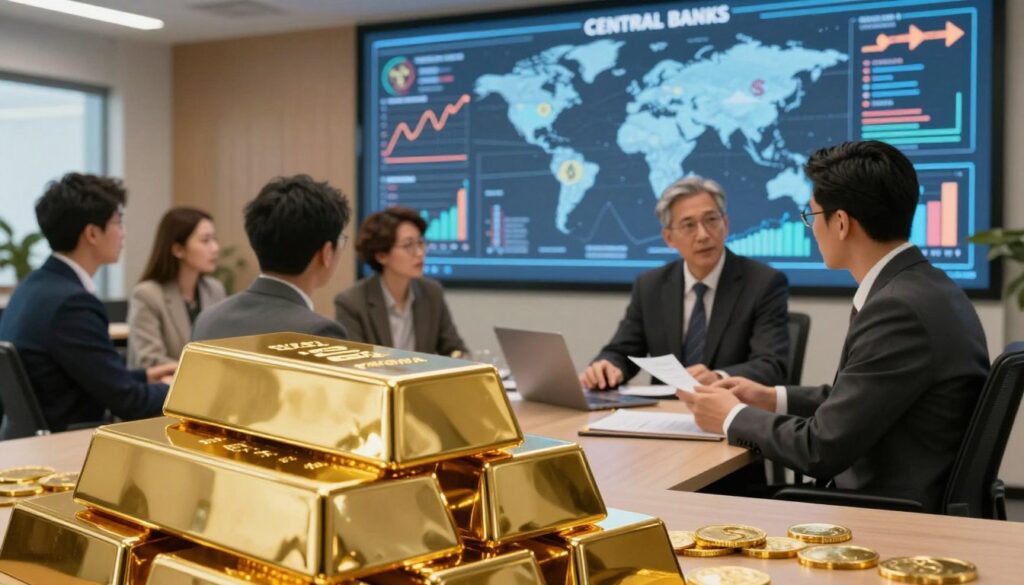
Interest Rate Decisions and Their Effect on Gold
Central banks’ interest rate decisions are crucial for gold prices. Low interest rates make gold more appealing to investors. But, higher rates can make gold more expensive, possibly lowering demand.
Quantitative Easing Programs and Gold Price Movements
Quantitative easing (QE) programs add liquidity, which can lead to inflation and currency depreciation. This often increases gold prices as investors look for safe assets. Historically, QE programs have been associated with increased gold prices.
Central Bank Gold Reserves Management
Central banks manage large gold reserves. Their buying or selling can affect gold prices. Recently, some have been adding to their gold reserves, which has helped stabilize and even increase prices.
Recent Trends in Central Bank Gold Purchases
In recent years, central banks have kept buying gold. They’re diversifying their reserves away from traditional currencies. This trend is more noticeable in emerging market economies.
Strategic Implications of Reserve Diversification
Central banks diversifying into gold is a strategic move. It helps them reduce dependence on the US dollar. This shift could have big implications for the gold market and global financial stability.
Understanding central bank policies and their effects on the gold market is key for investors. The complex interplay between interest rates, QE, and gold reserves management requires careful analysis.
Geopolitical Factors and Crisis-Driven Price Movements
The link between geopolitical factors and gold prices is complex. Tensions and conflicts can push gold prices up. This happens as investors look for safe assets.
Political Instability as a Primary Driver
Political instability greatly affects gold prices. When governments are shaky or in conflict, investors doubt traditional assets. They turn to gold instead. This move to safety boosts gold demand and prices.
Examples include political shake-ups, uncertain elections, and social unrest.
- Government instability
- Election uncertainty
- Social unrest
Trade Wars and International Tensions
Trade wars and tensions also shape gold prices. Tariffs and barriers can mess up global supply chains. This leads to economic uncertainty. Investors then see gold as a safe bet against economic downturns.
The ongoing trade disputes between big economies have greatly influenced gold prices.
Regional Conflicts and Their Market Impact
Regional conflicts, whether military or diplomatic, affect gold prices. Such conflicts can mess up supply chains and sway investor mood. For example, conflicts in gold mines can hurt mining. Diplomatic issues can cause currency shifts, both affecting gold prices.
Important factors in regional conflicts include their chance to grow, their trade impact, and their effect on investor trust.
Market Speculation and Investment Sentiment
Market speculation greatly affects gold prices, making it key for investors. The gold market sees many speculative activities. These can cause price swings.
Futures Markets and Speculative Positioning
Futures markets are vital in setting gold prices. Speculators bet on future gold prices here. The Commitment of Traders (CoT) report by the CFTC shows who’s betting on gold.
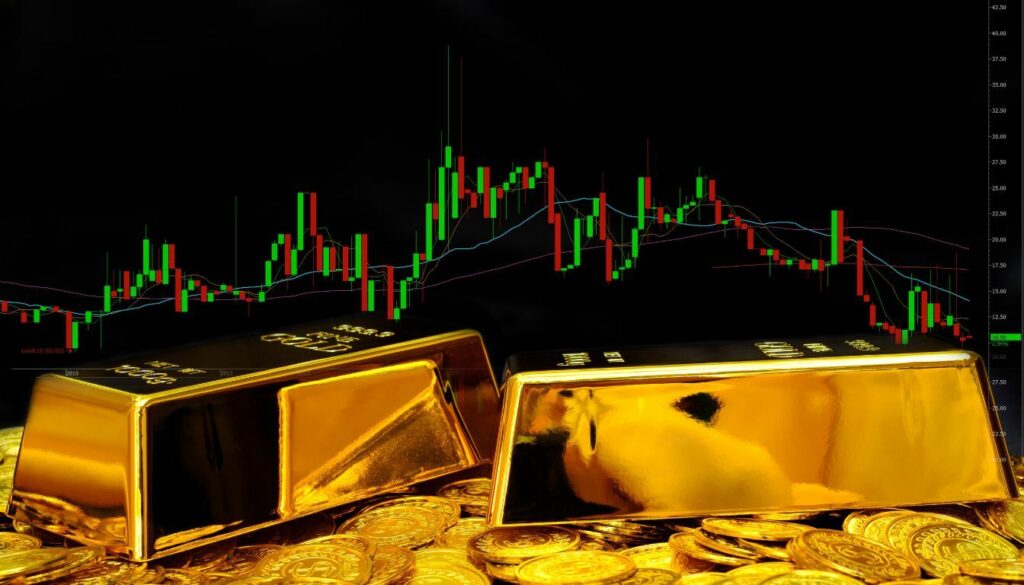
Technical Analysis Factors in Gold Trading
Technical analysis helps predict gold prices. It looks at charts and patterns to spot trends and possible changes.
Key Support and Resistance Levels
Finding key support and resistance levels is important. These levels help traders know when to buy or sell.
Trend Analysis and Price Patterns
Trend analysis looks at price patterns to guess future moves. Patterns like head and shoulders, triangles, and wedges are common.
Understanding market speculation and investment sentiment helps investors make better choices in the gold market.
Technological and Industrial Gold Demand Trends
The demand for gold in industry is high because of its special properties. It’s very useful in making electronics and other parts. This is because gold is very flexible, conducts electricity well, and doesn’t rust easily.
Electronics Industry Consumption Patterns
The electronics world uses a lot of gold. It’s used in making connectors, switches, and contacts because it conducts electricity well. The need for gold in this field grows with the production of phones, computers, and other devices.
Key applications of gold in electronics include:
- Connectors and switches
- Contacts and wiring
- High-performance electronics
| Application | Gold Usage | Industry Impact |
|---|---|---|
| Connectors and Switches | High | Essential for reliable connections |
| Contacts and Wiring | Moderate | Critical for signal integrity |
| High-Performance Electronics | High | Enhances performance and durability |
Emerging Technologies and Their Gold Requirements
New technologies like 5G, electric cars, and green energy systems will also need more gold. Gold is needed for parts in these technologies, including electronics and wiring.
The impact of emerging technologies on gold demand can be seen in several areas:
- Increased use of gold in EV charging infrastructure
- Gold’s role in the production of advanced electronics for 5G technology
- Application in renewable energy systems, such as solar panels and wind turbines
Seasonal and Cyclical Patterns in Gold Pricing
Knowing the seasonal and cyclical patterns in gold pricing can give investors an edge. These patterns are shaped by cultural events and economic signs. They are key in setting gold prices.
Cultural and Festival-Driven Demand Cycles
Cultural and festival-driven demand cycles affect gold prices. For example, gold demand goes up during Diwali in India and the Chinese New Year. This leads to higher prices. Investors can use these predictable times to their advantage.
Annual Market Trends and Trading Patterns
Gold prices also follow annual market trends and trading patterns. Some months see more buying, pushing prices up. For instance, prices often climb before the Indian wedding season and in December’s holiday season.
Long-Term Gold Price Cycles and Historical Perspective
Long-term gold price cycles offer insights into market trends. By looking at past data, investors can spot patterns. This knowledge helps them decide when to buy or sell gold.
In summary, seasonal and cyclical patterns are vital in gold pricing. By grasping these patterns, investors can better navigate the gold market. This leads to more informed investment choices.
Conclusion: Navigating the Complex World of Gold Pricing
Understanding gold pricing is complex. It involves many factors like supply and demand, economic conditions, and global events. These elements cause gold prices to change.
Investors who know these factors can make better choices. Knowing how gold prices work is key. It helps investors and analysts to move through the gold market well and find good chances.
The link between gold prices, the economy, and market feelings is strong. A detailed approach to investing in gold is needed. As the gold market grows, keeping up with what affects gold prices is vital for success.
Leave a Reply